Vegetos

(An International Journal of Plant Research & Biotechnology)
(eISSN: 2229-4473)
Phytochemical differentiation of three species of the Flemingia genus
Research Article | Published: 15 September, 2025
First Page: 1573
Last Page: 1582
Views: 467
Keywords: Antioxidant, Biomarker, Chromatography, Endemic, Kaempferol, Safety
Abstract
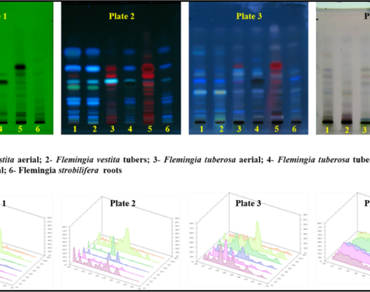
Despite a long traditional use of some species, the genus Flemingia has not been explored copiously. It is an important source of medicinal natural products, particularly flavonoids and steroids. In the current study, an attempt has been made to standardise extracts of F. tuberosa, F. vestita and F. strobilifera and compare their phytochemical constituents and physicochemical parameters. Chromatographic techniques were used to develop fingerprints for the extracts, which can be used as an identity parameter for the plants. Further, an HPTLC and HPLC method was developed and validated as per ICH guidelines for the quantification of pharmacologically active biomarker kaempferol from the plant extract. The content of kaempferol was found to be maximum in the tubers of F. vestita, which can be attributed to the plant being an endemic species from north northeast. The extracts of all three species were also found to possess antioxidant potential and were safe in albino Swiss mice up to 2 g/kg body weight. The scientific data generated forms the comparative analysis of these three species and can be compiled as a monograph for the same.
References
Blois MS (1958) Antioxidant determinations by the use of a stable free radical. Nature 181:1199–1200
Burak M, Imen Y (1999) Flavonoids and their antioxidant properties. Turkiye Klin Tip Bil Derg 19:296–304
Duthie JS (1994) Flora of the upper gangetic plain, Bishen Singh Mahendra Pal Singh New Connaught place, Dehra doon, vol. I, p 215–220
Gahlot K, Lal VK, Jha S (2011) Phytochemical and pharmacological potential of Flemingia Roxb. ex WT Aiton (Fabaceae). Int J Phytomed 3:294
Ghorai N, Chakraborty S, Gucchait S, Saha SK, Biswas S (2012) Estimation of total terpenoids concentration in plant tissues using a monoterpene, linalool as standard reagent. Protocol Exch. https://doi.org/10.1038/protex.2012.055
Harborne J (2007) Phytochemical methods—a guide to modern techniques of plant analysis. Springer Private Ltd, Delhi
Kasote DM, Katyare SS, Hegde MV, Bae H (2015) Significance of antioxidant potential of plants and its relevance to therapeutic applications. Int J Biol Sci 11:982–991
Khandelwal K (2008) Practical pharmacognosy techniques and experiments. Nirali Prakashan Publishers, Pune
Kirthikar KR, Basu BD (1993) Indian medicinal plants. Dehradun. Bishen Singh Mahendra Pal Singh 220, India
Lee YK, Yuk DY, Lee JW, Lee SY, Ha TY, Oh KW, Yun YP, Hong JT (2009) (-)-Epigallocatechin-3-gallate prevents lipopolysaccharide-induced elevation of beta-amyloid generation and memory deficiency. Brain Res 1250:164–174
Marinova D, Ribarova F, Atanassova M (2005) Total phenolics and total flavonoids in Bulgarian fruits and vegetables. J Univ Chem Technol Metall 40:255–260
Mascarenhas RW, Shailajan S, Menon S (2020) Antioxidant and hepatoprotective activity of Flemingia tuberosa Dalzell in CCl4-induced hepatotoxicity in rats. J Appl Pharm Sci 10:032–038
Matani A (2016) Phytochemical profiling and pharmacological evaluation of an endemic plant of North-east India-Flemingia vestita Benth. Unniversity of Mumbai
Mukherjee P (2007) Quality control of herbal drugs-an approach to evaluation of botanicals. Business Horizons Publishers, New Delhi
Nipunage DS, Sathe K, Joshi R, Kulkarni DK (2016) Natural heritage of biodiversity conservation in Palghar district, Maharashtra State, India. Indian J Fundam Appl Life Sci 6:21–32
Pharmacopoeia I (2010) Government of India “Ministry of Health & Family Welfare” the controller & publication. Delhi, India, p 2186–2188
Prasad KS, Biju P, Raveendran K (2011) Flemingia tuberose Dalz. (Fabaceae)-a new addition to the flora of Kerala, India. J Threat Taxa 3:1550–1552
Rajopadhye AA, Upadhye AS (2013) Determination of phenolic content and in vitro antioxidant potential of ethanol extract of seven sources of ayurvedic drug ‘Pittapapda.’ Indian J Nat Products Res 4:81–87
Shailajan S, Kumaria S, Pednekar S, Menon S, Choudhury H, Matani A (2016) Estrogenic potential of Flemingia vestita Benth tubers in ovariectomized rat model. Pharmacogn J. https://doi.org/10.5530/pj.2016.1.10
Sreevidya N, Mehrotra S (2003) Spectrophotometric method for estimation of alkaloids precipitable with Dragendorff’s reagent in plant materials. J AOAC Int 86:1124–1127
Uematsu Y, Hirata K, Saito K, Kudo I (2000) Spectrophotometric determination of saponin in Yucca extract used as food additive. J AOAC Int 83:1451–1454
Author Information
Herbal Research Lab, Ramnarain Ruia Autonomous College, Mumbai, India