Vegetos

(An International Journal of Plant Research & Biotechnology)
(eISSN: 2229-4473)
An evolutionary diverse STAT-like protein plays a role in stress response in rice as indicated by bioinformatics analysis
*Article not assigned to an issue yet
Research Articles | Published: 19 May, 2026
First Page: 0
Last Page: 0
Views: 32
Keywords: Transcription factor, Domain, Phylogenetic relation, Interaction, Promoter, Expression analysis
Abstract
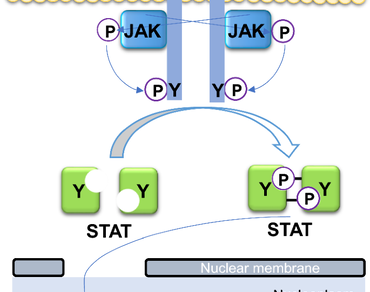
Signal Transducers and Activators of Transcription (STATs) are transcription factors which are involved in JAK/STAT phosphorelay signaling in animals. Although STATs are well characterized in metazoans including humans, their role in plants is not well understood. To fill this gap, a bioinformatics analysis of STAT family was carried out in rice. A single STAT-like member OsSTATL was identified. Interestingly, in silico promoter analysis showed a possible regulation of OsSTATL in response to abiotic as well as biotic stresses. Analysis of publically available rice transcriptome data revealed upregulation of expression of OsSTATL gene under drought, salinity and phosphorus deficiency. qRT-PCR based expression analysis showed its heat inducibility in IR64 rice seedlings at an early duration. Moreover, important rice diseases (caused by planthopper and bacterial pathovar) also induce its expression. Protein–protein interaction analysis indicated its interactions with a receptor-like kinase, a transcriptional regulator and chromatin remodeling proteins. OsSTATL protein was found to contain the SH2 (Src homology 2) domain which is responsible for mediating protein–protein interactions. OsSTATL shared sequence similarities with its homologs from monocot lineage. Taken together, this is the first study indicating involvement of OsSTATL in stress response that needs further experimental investigations to understand the regulatory function mediated by OsSTATL under stress conditions.
References
Ahsan N, Wilson RS, Rao RSP, Salvato F, Sabila M, Ullah H, Miernyk JA (2020) Mass spectrometry-based identification of phospho-Tyr in plant proteomics. J Proteome Res 19(2):561–571. https://doi.org/10.1021/acs.jproteome.9b00550
Azad M, Tohidfar M, Ghanbari Moheb Seraj R, Mehralian M, Esmaeilzadeh-Salestani K (2024) Identification of responsive genes to multiple abiotic stresses in rice (Oryza sativa): a meta-analysis of transcriptomics data. Sci Rep 14(1):5463. https://doi.org/10.1038/s41598-024-54623-7
Babiychuk E, Vandepoele K, Wissing J, Garcia-Diaz M, De Rycke R, Akbari H, Kushnir S (2011) Plastid gene expression and plant development require a plastidic protein of the mitochondrial transcription termination factor family. Proc Natl Acad Sci U S A 108(16):6674–6679. https://doi.org/10.1073/pnas.1103442108
Bishnoi A, Ram H, Soni P (2025) Genome-wide identification, in-silico characterisation and expression analysis of multiprotein bridging factor 1 gene family members in rice. Plant Physiol Rep 30(1):125–145. https://doi.org/10.1007/s40502-024-00813-4
Caarls L, Pieterse CMJ, Van Wees SCM (2015) How salicylic acid takes transcriptional control over jasmonic acid signaling. Front Plant Sci 6:170. https://doi.org/10.3389/fpls.2015.00170
Chiang, H. S., & Liu, H. M. 2019. The molecular basis of viral inhibition of IRF-and STAT-dependent immune responses. Frontiers Immunol 9:3086.
Cohen SP, Leach JE (2019) Abiotic and biotic stresses induce a core transcriptome response in rice. Sci Rep 9(1):6273. https://doi.org/10.1038/s41598-019-42731-8
de la Fuente van Bentem S, Hirt H (2009) Protein tyrosine phosphorylation in plants: more abundant than expected? Trends Plant Sci 14(2):71–76. https://doi.org/10.1016/j.tplants.2008.11.003
Ecker PB, Horz W (2002) ATP-dependent nucleosome remodeling. Annu Rev Biochem 71:247–273
El Houdi M, Skhoun H, Guennoun A, Dakka N, Ameziane El Hassani R, Ouzzif Z, El Baghdadi J (2025) Deciphering TLR and JAK/STAT pathways: genetic variants and targeted therapies in COVID-19. Mol Biol Rep 52(1):733. https://doi.org/10.1007/s11033-025-10843-2
Gao Q, Hua J, Kimura R, Headd JJ, Fu X-Y, Chin YE (2004) Identification of the linker-SH2 domain of STAT as the origin of the SH2 domain using two-dimensional structural alignment. Mol Cell Proteomics 3(7):704–714. https://doi.org/10.1074/mcp.M300131-MCP200
Gasteiger E, Hoogland C, Gattiker A, Duvaud S, Wilkins MR, Appel RD, Bairoch A (2005) Protein identification and analysis tools on the ExPASy server. In: Walker, J.M. (eds) The proteomics protocols handbook. Humana Press, Totowa, NJ, pp 571–607
Goldberg T, Hecht M, Hamp T, Karl T, Yachdav G, Ahmed N, Rost B (2014) LocTree3 prediction of localization. Nucleic Acids Res 42(Web Server issue):W350–W355. https://doi.org/10.1093/nar/gku396
Gómez-Gómez L, Boller T (2000) FLS2: an LRR receptor-like kinase involved in the perception of the bacterial elicitor flagellin in Arabidopsis. Mol Cell 5(6):1003–1011. https://doi.org/10.1016/s1097-2765(00)80265-8
He K, Gou X, Yuan T, Lin H, Asami T, Yoshida S, Li J (2007) BAK1 and BKK1 regulate brassinosteroid-dependent growth and brassinosteroid-independent cell-death pathways. Curr Biol 17(13):1109–1115. https://doi.org/10.1016/j.cub.2007.05.036
Horton P, Park K-J, Obayashi T, Fujita N, Harada H, Adams-Collier CJ, Nakai K (2007) WoLF PSORT: protein localization predictor. Nucleic Acids Res 35(Web Server issue):W585–W587. https://doi.org/10.1093/nar/gkm259
Hruz T, Laule O, Szabo G, Wessendorp F, Bleuler S, Oertle L, Zimmermann P (2008) Genevestigator v3: a reference expression database for the meta-analysis of transcriptomes. Adv Bioinf 2008:420747. https://doi.org/10.1155/2008/420747
Hu B, Jin J, Guo A-Y, Zhang H, Luo J, Gao G (2015) GSDS 2.0: an upgraded gene feature visualization server. Bioinformatics 31(8):1296–1297. https://doi.org/10.1093/bioinformatics/btu817
Hu X, Li J, Fu M, Zhao X, Wang W (2021) The JAK/STAT signaling pathway: from bench to clinic. Signal Transduct Target Ther 6(1):402. https://doi.org/10.1038/s41392-021-00791-1
Jaillais Y, Hothorn M, Belkhadir Y, Dabi T, Nimchuk ZL, Meyerowitz EM, Chory J (2011) Tyrosine phosphorylation controls brassinosteroid receptor activation by triggering membrane release of its kinase inhibitor. Genes Dev 25(3):232–237. https://doi.org/10.1101/gad.2001911
Kim JS, Chae S, Jun KM, Lee G-S, Jeon J-S, Kim KD, Kim Y-K (2021) Rice protein-binding microarrays: a tool to detect cis-acting elements near promoter regions in rice. Planta 253(2):40. https://doi.org/10.1007/s00425-021-03572-w
Kim T-W, Guan S, Sun Y, Deng Z, Tang W, Shang J-X, Wang Z-Y (2009) Brassinosteroid signal transduction from cell-surface receptor kinases to nuclear transcription factors. Nat Cell Biol 11(10):1254–1260. https://doi.org/10.1038/ncb1970
Kurata N, Yamazaki Y (2006) Oryzabase. An integrated biological and genome information database for rice. Plant Physiol 140(1):12–17. https://doi.org/10.1104/pp.105.063008
Lee SB, Kim N, Hur YJ, Cho SM, Kim TH, Lee JY, Cho JH, Lee JH, Song YC, Seo YS, Ko JM (2019) Fine mapping of qBK1, a major QTL for bakanae disease resistance in rice. Rice 12(1):36. https://doi.org/10.1186/s12284-019-0295-9
Leonard WJ (2001) Role of Jak kinases and STATs in cytokine signal transduction. Int J Hematol 73(3):271–277. https://doi.org/10.1007/BF02981951
Lescot M, Déhais P, Thijs G, Marchal K, Moreau Y, Van de Peer Y, Rombauts S (2002) PlantCARE, a database of plant cis-acting regulatory elements and a portal to tools for in silico analysis of promoter sequences. Nucleic Acids Res 30(1):325–327. https://doi.org/10.1093/nar/30.1.325
Liang Z, Zhang Q, Ji C, Hu G, Zhang P, Wang Y, Yang L, Gu X (2021) Reorganization of the 3D chromatin architecture of rice genomes during heat stress. BMC Biol 19(1):53. https://doi.org/10.1186/s12915-021-00996-4
Liere K, Weihe A, Börner T (2011) The transcription machineries of plant mitochondria and chloroplasts: composition, function, and regulation. J Plant Physiol 168(12):1345–1360. https://doi.org/10.1016/j.jplph.2011.01.005
Livak KJ, Schmittgen TD (2001) Analysis of relative gene expression data using real-time quantitative PCR and the 2−ΔΔCT method. Methods 25(4):402–408. https://doi.org/10.1006/meth.2001.1262
Lu S, Wang J, Chitsaz F, Derbyshire MK, Geer RC, Gonzales NR, Marchler-Bauer A (2020) CDD/SPARCLE: the conserved domain database in 2020. Nucleic Acids Res 48(D1):D265–D268. https://doi.org/10.1093/nar/gkz991
Luo X, Wu W, Liang Y, Xu N, Wang Z, Zou H, Liu J (2020) Tyrosine phosphorylation of the lectin receptor-like kinase LORE regulates plant immunity. EMBO J 39(4):e102856. https://doi.org/10.15252/embj.2019102856
Macho AP, Lozano-Durán R, Zipfel C (2015) Importance of tyrosine phosphorylation in receptor kinase complexes. Trends Plant Sci 20(5):269–272. https://doi.org/10.1016/j.tplants.2015.02.005
McGuffin LJ, Bryson K, Jones DT (2000) The PSIPRED protein structure prediction server. Bioinformatics 16(4):404–405. https://doi.org/10.1093/bioinformatics/16.4.404
Meyer T, Vinkemeier U (2004) Nucleocytoplasmic shuttling of STAT transcription factors. Eur J Biochem 271(23–24):4606–4612. https://doi.org/10.1111/j.1432-1033.2004.04423.x
Oh M-H, Wang X, Kota U, Goshe MB, Clouse SD, Huber SC (2009) Tyrosine phosphorylation of the BRI1 receptor kinase emerges as a component of brassinosteroid signaling in Arabidopsis. Proc Natl Acad Sci U S A 106(2):658–663. https://doi.org/10.1073/pnas.0810249106
Perraki A, DeFalco TA, Derbyshire P, Avila J, Séré D, Sklenar J, Zipfel C (2018) Phosphocode-dependent functional dichotomy of a common co-receptor in plant signalling. Nature 561(7722):248–252. https://doi.org/10.1038/s41586-018-0471-x
Pincus D, Letunic I, Bork P, Lim WA (2008) Evolution of the phospho-tyrosine signaling machinery in premetazoan lineages. Proc Natl Acad Sci U S A 105(28):9680–9684. https://doi.org/10.1073/pnas.0803161105
Rivero RM, Mittler R, Blumwald E, Zandalinas SI (2022) Developing climate-resilient crops: improving plant tolerance to stress combination. Plant J 109(2):373–389. https://doi.org/10.1111/tpj.15483
Rui L, Drennan AC, Ceribelli M, Zhu F, Wright GW, Huang DW, Staudt LM (2016) Epigenetic gene regulation by Janus kinase 1 in diffuse large B-cell lymphoma. Proc Natl Acad Sci U S A 113(46):E7260–E7267. https://doi.org/10.1073/pnas.1610970113
Soler-Lopez M, Petosa C, Fukuzawa M, Ravelli R, Williams JG, Müller CW (2004) Structure of an activated Dictyostelium STAT in its DNA-unbound form. Mol Cell 13(6):791–804. https://doi.org/10.1016/s1097-2765(04)00130-3
Szklarczyk D, Morris JH, Cook H, Kuhn M, Wyder S, Simonovic M, von Mering C (2017) The STRING database in 2017: quality-controlled protein–protein association networks, made broadly accessible. Nucleic Acids Res 45(D1):D362–D368. https://doi.org/10.1093/nar/gkw937
Tamura K, Stecher G, Kumar S (2021) MEGA11: Molecular evolutionary genetics analysis version 11. Mol Biol Evol 38(7):3022–3027. https://doi.org/10.1093/molbev/msab120
Varadi M, Anyango S, Deshpande M, Nair S, Natassia C, Yordanova G, Velankar S (2022) Alphafold protein structure database: massively expanding the structural coverage of protein-sequence space with high-accuracy models. Nucleic Acids Res 50(D1):D439–D444. https://doi.org/10.1093/nar/gkab1061
Vinkemeier U, Moarefi I, Darnell JE Jr, Kuriyan J (1998) Structure of the amino-terminal protein interaction domain of STAT-4. Science 279(5353):1048–1052. https://doi.org/10.1126/science.279.5353.1048
Waksman G, Kominos D, Robertson SC, Pant N, Baltimore D, Birge RB, Kuriyan J (1992) Crystal structure of the phosphotyrosine recognition domain SH2 of v-src complexed with tyrosine-phosphorylated peptides. Nature 358(6388):646–653. https://doi.org/10.1038/358646a0
Wang Y, Levy DE (2006) C. elegans STAT: evolution of a regulatory switch. FASEB J 20(10):1641–1652. https://doi.org/10.1096/fj.06-6051com
Wang Y, Wang Q, Huang H, Huang W, Chen Y, McGarvey PB, UniProt Consortium (2021) A crowdsourcing open platform for literature curation in UniProt. PLoS Biol 19(12):e3001464. https://doi.org/10.1371/journal.pbio.3001464
Wen T-H, Tsai K-W, Wu Y-J, Liao M-T, Lu K-C, Hu W-C (2021) The framework for human host immune responses to four types of parasitic infections and relevant key JAK/STAT signaling. Int J Mol Sci 22(24):13310. https://doi.org/10.3390/ijms222413310
Williams JG, Zvelebil M (2004) SH2 domains in plants imply new signalling scenarios. Trends Plant Sci 9(4):161–163. https://doi.org/10.1016/j.tplants.2004.02.001
Wingelhofer B, Neubauer HA, Valent P, Han X, Constantinescu SN, Gunning PT, Moriggl R (2018) Implications of STAT3 and STAT5 signaling on gene regulation and chromatin remodeling in hematopoietic cancer. Leukemia 32(8):1713–1726. https://doi.org/10.1038/s41375-018-0117-x
Wobbe L, Nixon PJ (2013) The mTERF protein MOC1 terminates mitochondrial DNA transcription in the unicellular green alga Chlamydomonas reinhardtii. Nucleic Acids Res 41(13):6553–6567. https://doi.org/10.1093/nar/gkt313
Yamada Y, Wang HY, Fukuzawa M, Barton GJ, Williams JG (2008) A new family of transcription factors. Development 135(18):3093–3101. https://doi.org/10.1242/dev.026377
Yan R, Small S, Desplan C, Dearolf CR, Darnell JE Jr. (1996) Identification of a Stat gene that functions in Drosophila development. Cell 84(3):421–430. https://doi.org/10.1016/s0092-8674(00)81287-8
Zhang Y, Zhao J, Li J, Li Y, Jiang L, Wang N (2025) Functions of Tomato (Solanum lycopersicum L.) Signal Transducer and Activator of Transcription (STAT) in seed germination and low-temperature stress response. Int J Mol Sci 26(7):3338. https://doi.org/10.3390/ijms26073338
Zhang H, Zhu J, Gong Z, Zhu J-K (2022) Abiotic stress responses in plants. Nat Rev Genet 23(2):104–119. https://doi.org/10.1038/s41576-021-00413-0
Zhong M, Henriksen MA, Takeuchi K, Schaefer O, Liu B, ten Hoeve J, Darnell JE Jr. (2005) Implications of an antiparallel dimeric structure of nonphosphorylated STAT1 for the activation-inactivation cycle. Proc Natl Acad Sci U S A 102(11):3966–3971. https://doi.org/10.1073/pnas.0501063102
Zhu Y, Mao H, Peng G, Zeng Q, Wei Q, Ruan J, Huang J (2021) Effect of JAK-STAT pathway in regulation of fatty liver hemorrhagic syndrome in chickens. Asian-Australas J Anim Sci 34(1):143–153. https://doi.org/10.5713/ajas.19.0874
Zipfel C, Kunze G, Chinchilla D, Caniard A, Jones JDG, Boller T, Felix G (2006) Perception of the bacterial PAMP EF-Tu by the receptor EFR restricts Agrobacterium-mediated transformation. Cell 125(4):749–760. https://doi.org/10.1016/j.cell.2006.03.037
Zipfel C, Robatzek S, Navarro L, Oakeley EJ, Jones JDG, Felix G, Boller T (2004) Bacterial disease resistance in Arabidopsis through flagellin perception. Nature 428(6984):764–767. https://doi.org/10.1038/nature0248
Author Information
Department of Botany, University of Rajasthan, Jaipur, India