Vegetos

(An International Journal of Plant Research & Biotechnology)
(eISSN: 2229-4473)
Ethnomedicinal contraceptive plants and their role in natural reproductive health: an in-depth analysis with emphasis on traditional Chinese medicine
*Article not assigned to an issue yet
Ray Priyanka, Hazra Sucharita, Bag Rabishankar, Chakraborty Tamalika, Chatterjee Pritam
Review Article | Published: 23 January, 2026
First Page: 0
Last Page: 0
Views: 1888
Keywords: Antifertility, Chinese ethnomedicine, Medicinal plants, Natural contraceptives pharmacological processes, Herbal contraceptives
Abstract
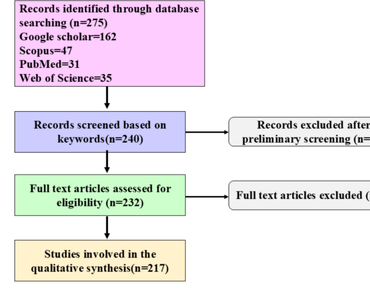
Exploring safer, natural contraceptive methods is vital due to rising global population and health concerns. This review focuses on Chinese ethnomedicinal plants with antifertility properties, emphasizing their role as natural alternatives to synthetic contraceptives. Traditional systems of medicine provide a rich repository of fertility-regulating botanicals. Increasing concerns over hormonal imbalances, hypertension, cancer, and weight gain associated with synthetic contraceptives have led to a resurgence of interest in herbal methods, which are believed to have fewer side effects. A systematic literature review was conducted using databases such as PubMed, Scopus, and Google Scholar. The review focused on Chinese ethnomedicinal plants known for their antifertility effects, bioactive constituents, and mechanisms of action. Plants such as Gossypium herbaceum var., Butea monosperma, Embelia ribes, and Andrographis paniculata were highlighted for their roles in inhibiting ovulation, altering sperm function, and preventing embryo implantation. The findings illustrate that many ethnomedicinal plants have demonstrated significant antifertility potential in preclinical studies. Their pharmacological actions include anti-implantation, antiovulatory, and spermicidal effects. The review underscores the possibility of developing novel non-steroidal contraceptives from these botanicals. Additionally, they promote biodiversity conservation and offer culturally acceptable and sustainable healthcare alternatives. Herbal contraceptives, rooted in traditional knowledge, are gaining global interest. With nearly 80% of developing nations relying on medicinal plants, these natural options are becoming more relevant in reproductive health. Further clinical trials and safety evaluations are essential to integrate them into modern healthcare systems.
References
Adia MM, Savina A, Jane N, Joel M, Godwin A, Esezah KK, Robert B (2025) Medicinal plant species used for contraception and reproductive health care in rural Uganda. Heliyon 11(1):e41518. https://doi.org/10.1016/j.heliyon.2024.e41518
Agarwal U, Pathak DP, Kapoor G, Bhutani R, Roper R, Gupta V, Kant R (2017) Review on Cuminum cyminum—nature’s magical seeds. J Chem Pharm Res 9(9):180–187
Agrawal SS, Vishal D, Sumeet G, Shekhar C, Ashish N, Parul D, Ankita S, Prakash A, Prakash T, Kumar P (2018) Antifertility activity of ethanol leaf extract of Moringa oleifera Lam. in female Wistar rats. Indian J Pharma Sci 80(3):565–570
Aierken K, Li J, Nannan X, Wu T, Zang D, Aisa H (2022) Chemical constituents of Rumex dentatus L. and their antimicrobial and anti-inflammatory activities. Phytochemistry 205:113509. https://doi.org/10.1016/j.phytochem.2022.113509
Akbaribazm M, Goodarzi N, Rahimi M (2021) Female infertility and herbal medicine: an overview of the new findings. Food Sci Nutr 9(10):5869–5882. https://doi.org/10.1002/fsn3.2523
Akbarsha MA, Murugaian P (2000) Aspects of the male reproductive toxicity/male antifertility property of andrographolide in albino rats: effect on the testis and the cauda epididymidal spermatozoa. Phytother Res 14(6):432–435. https://doi.org/10.1002/1099-1573(200009)14:6%3c432::aid-ptr622%3e3.0.co;2-i
Allan JJ, Pore MP, Deepak M, Murali B, Mayachari AS, Agarwal A (2009) Reproductive and fertility effects of an extract of Andrographis paniculata in male Wistar rats. Int J Toxicol 28(4):308–317. https://doi.org/10.1177/1091581809339631
Alzohairy MA (2016) Therapeutics role of Azadirachta indica (Neem) and their active constituents in diseases prevention and treatment. Evid Based Complement Alternat Med 2016:7382506. https://doi.org/10.1155/2016/7382506
Amini A, Kamkar F (2005) The effects of gossypol on spermatogenesis in NMRI mice. Iran J Sci Technol Trans A 29:123
Anuja GI, Latha PG, Suja SR, Shyamal S, Shine VJ, Sini S, Pradeep S, Shikha P, Rajasekharan S (2010) Anti-inflammatory and analgesic properties of Drynaria quercifolia (L.) J. Smith. J Ethnopharmacol 132(2):456–460. https://doi.org/10.1016/j.jep.2010.08.038
Anzano A, Ammar M, Papaianni M, Grauso L, Sabbah M, Capparelli R, Lanzotti V (2021) Moringa oleifera Lam.: a phytochemical and pharmacological overview. Horticulturae. https://doi.org/10.3390/horticulturae7100409
Attah AF, Moody JO, Sonibare MA, Salahdeen HH, Akindele OO, Nnamani PO, Diyaolu OA, Raji Y (2020) Aqueous extract of Moringa oleifera leaf used in Nigerian ethnomedicine alters conception and some pregnancy outcomes in Wistar rat. S Afr J Bot 129:255–262
Azamthulla M, Balasubramanian R, Kavimani S (2015) A review on medicinal plants exhibiting antifertility activity. World J Pharm Pharm Sci 4(3):243–272
Bhadra P (2020) An overview of Ajwain (Trachyspermum ammi). Indian J Nat Sci 10(59):18466–182474
Bhatt N, Deshpande M (2021) A Critical review and scientific prospective on contraceptive therapeutics from ayurveda and allied ancient knowledge. Front Pharmacol 12:629591. https://doi.org/10.3389/fphar.2021.629591
Chang Z, Qin W, Zheng H, Schegg K, Han L, Liu X, Wang Y, Wang Z, McSwiggin H, Peng H, Yuan S, Wu J, Wang Y, Zhu S, Jiang Y, Nie H, Tang Y, Zhou Y, Hitchcock MJM, Yan W (2021) Triptonide is a reversible non-hormonal male contraceptive agent in mice and non-human primates. Nat Commun 12(1):1253. https://doi.org/10.1038/s41467-021-21517-5
Chauhan A, Agarwal M, Kushwaha S, Mutreja A (2008) Antifertility studies of Aegle marmelos Corr., an Indian medicinal plant on male albino rats. Egypt J Biol 10(1):28–35
Chauhan A, Sharma KV, Chauhan S, Agarwal M (2009) Pharmacological evaluation for the antifertility effect of the ethanolic seed extract of Nelumbo nucifera (Sacred Lotus). Pharmacologyonline 2(1):636–643
Chikkulla R, Rani Mondi S, Mohan Gottumukkula K (2018) A review on Gossypium herbaceum (Linn). Int J Pharma Sci Res (IJPSR) 9(09):116–120
Chirania A, Kaushik L, Rao S, Sharma V (2022) Therapeutic activity of Moringa oleifera. Int J Recent Adv Multidiscip Top 3(1):64–67
.Choudhari, A.B. & Nazim, Shahroz & Gomase, Pravin & Khairnar, Ashish & Shaikh, A. & Choudhari, P.. (2011). Phytopharmacological review of Arjuna bark. Journal of Pharmacy Research. 4. 580-581.
Custo G, Saitto C, Scoccia G, Volpe R, Cerza S (1991) The assessment of IUD mechanical resistance: an experimental model. Contraception 43(3):251–262. https://doi.org/10.1016/0010-7824(91)90144-5
Daniyal M, Akram M (2015) Antifertility activity of medicinal plants. J Chin Med Assoc 78(7):382–388. https://doi.org/10.1016/j.jcma.2015.03.008
Dar NA, Upadhyay A, Mittal D (2021) Pharmacological evaluation and antifertility activity of Aristolochia indica in rats. Int J Creat Res Thoughts 3(3):536–538
Das B, Dey A, Das Talukdar A, Nongalleima K, Choudhury MD, Deb L (2014) Antifertility efficacy of Drynaria quercifolia (L.) J. Smith on female Wister albino rats. J Ethnopharmacol 153(2):424–429. https://doi.org/10.1016/j.jep.2014.02.047
Devi P, Kumar P, Nidhi, Dhamija I (2015) Antifertility activity of medicinal plants on male and female reproduction. Int J Pharm Sci Res 6(3):988–1001
Dhanapal R, Ratna JV, Gupta M, Sarathchandran I (2012) Preliminary study on antifertility activity of Enicostemma axillare leaves and Urena lobata root used in Indian traditional folk medicine. Asian Pac J Trop Med 5(8):616–622. https://doi.org/10.1016/S1995-7645(12)60127-8
Dolatabad SS, Rostami FF, Khaki A (2014) Antifertility activity of methanolic extract of Gossypium herbaceum in female rats. Baltica 27(1):9
Durg S, Veerapur VP, Neelima S, Dhadde SB (2017) Antidiabetic activity of Embelia ribes, embelin and its derivatives: a systematic review and meta-analysis. Biomed Pharmacother 86:195–204. https://doi.org/10.1016/j.biopha.2016.12.001
Dwivedi SN, Mishra RP, Alava S, Model G, College S (2012) Phytochemistry, pharmacological studies and traditional benefits of Trachyspermum ammi (Linn.) Sprague. Int J Pharm Life Sci 3(5):1705–1709
Ekiert H, Pajor J, Klin P, Rzepiela A, Ślesak H, Szopa A (2020) Significance of Artemisia vulgaris L. (common mugwort) in the history of medicine and its possible contemporary applications substantiated by phytochemical and pharmacological studies. Molecules. https://doi.org/10.3390/molecules25194415
Fadeyi O, Akwu N, Lekhooa M, Hayeshi R, Aremu A (2024) Utilisation of medicinal plants for antifertility activities: a bibliometric analysis of research endeavours from 1968 to 2023. Phytomedicine plus 4:100580. https://doi.org/10.1016/j.phyplu.2024.100580
Friedman J, Yaniv Z, Dafni A, Palewitch D (1986) A preliminary classification of the healing potential of medicinal plants, based on a rational analysis of an ethnopharmacological field survey among Bedouins in the Negev Desert, Israel. J Ethnopharmacol 16(2):275–287. https://doi.org/10.1016/0378-8741(86)90094-2
Ganguly M, Hazarika J, Sarma S, Bhuyan P, Mahanta R (2020) Estrogen receptor modulation of some polyphenols extracted from Daucus carota as a probable mechanism for antifertility effect: an in silico study. J Theor Comput Chem 19(06):2041004
Garg SK (1975) Antifertility effect of some chromatographic fractions of Daucus carota. Med Educ 7:40–42
Gebrie E, Makonnen E, Debella A, Zerihun L (2005) Phytochemical screening and pharmacological evaluations for the antifertility effect of the methanolic root extract of Rumex steudelii. J Ethnopharmacol 96(1):139–143. https://doi.org/10.1016/j.jep.2004.08.026
Gebrie E, Makonnen E, Zerihun L, Debella A (n.d.) The possible mechanisms for the antifertility action of methanolic root extract of Rumex steudelii. 119–125
Goswami P, Basak M (2021) Medicinal plants exhibiting antifertility activity: a review. J Pharm Res Int 33(60B):230–237
Gupta M, Kapoor B, Gupta R, Singh N (2021) Plants and phytochemicals for treatment of peptic ulcer: an overview. S Afr J Bot 138:105–114. https://doi.org/10.1016/j.sajb.2020.11.030
Gupta, P. C., & Yadav, L. (2024). Evaluation of antispermatogenic and antifertility properties of Terminalia chebula (Retz.) in albino mice. Int J Reprod Contracep Obstet Gynecol, 13(7), 1774-1784.
Harish GU, Danapur V, Jain R, Patell VM (2012) Endangered medicinal plant Embelia ribes Burm.f.- a review. Pharmacogn J 4(27):6–19. https://doi.org/10.5530/pj.2012.27.2
Heinrich M, Ankli A, Frei B, Weimann C, Sticher O (1998) Medicinal plants in Mexico: healers’ consensus and cultural importance. Soc Sci Med 47(11):1859–1871. https://doi.org/10.1016/S0277-9536(98)00181-6
Heinrich M, Lardos A, Leonti M, Weckerle C, Willcox M, Applequist W, Ladio A, Long CL, Mukherjee P, Stafford G (2018) Best practice in research: consensus statement on Ethnopharmacological Field Studies – ConSEFS. J Ethnopharmacol 211:329–339. https://doi.org/10.1016/j.jep.2017.08.015
Hembrom AR, Verma A, Singh VN (2015) Antifertility effects of rhizome of Curcuma longa on seminal parameters of Swiss Albino male mice. Res J Pharm Technol 8(4):404–406
Intharuksa A, Arunotayanun W, Yooin W, Sirisa-ard P (2022) A comprehensive review of Andrographis paniculata (Burm. f.) Nees and its constituents as potential lead compounds for COVID-19 drug discovery. Molecules. https://doi.org/10.3390/molecules27144479
Involving TP, Laplacians F (2018) Journal of. 295(2). https://doi.org/10.5897/JMPR
Irais C-M, Claudia B-R, David P-E, Ashutosh S, Rubén G-G, Agustina R-M, Del Carmen V-MM, Mario-Alberto R-G, Luis-Benjamín S-G (2021) Leaf and fruit methanolic extracts of Azadirachta indica exhibit antifertility activity on rats’ sperm quality and testicular histology. Curr Pharm Biotechnol 22(3):400–407
Islam MT, Riaz TA, Ayatollahi SA, Sharifi-Rad J (2021) Anxiolytic-like effect of Urena lobata (L.) in swiss albino mice. Clin Phytoscience 7(1):11. https://doi.org/10.1186/s40816-021-00249-5
Ivan A, Masembe C, Akoll P (2021) The use of plant extracts to control tilapia reproduction: current status and future perspectives. J World Aquacult Soc 53:593–619. https://doi.org/10.1111/jwas.12863
Jagtap RR, Garud A, Puranik SS (2021) Study of preliminary phytochemical and pharmacognoceutical profile of Embelia ribes fruit.International Journal of Botany Studies 6(6): 7–11
Jain, S. (2015). Medicinal plants with potential anti-fertility activity: A review. International Journal of Green Pharmacy (IJGP), 9(4).
Joshi SC, Sharma A, Chaturvedi M (2011) Antifertility potential of some medicinal plants in males: an overview. Int J Pharm Pharm Sci 3(5):204–217
Kartika E (2021) Phytochemical and pharmacological review of carrot (Daucus carota L.). Int J Pharm Sci Med 6(1):75–82. https://doi.org/10.47760/ijpsm.2021.v06i01.006
i () .Khodade, Hrishikesh. (2015). A Review on Medicinal Important and Chemical Contains In Butea monosperma (Lam.) Taub.. 3. 72-75.
Kong YC, Xie JX, But PP (1986) Fertility regulating agents from traditional Chinese medicines. J Ethnopharmacol 15(1):1–44. https://doi.org/10.1016/0378-8741(86)90102-9
Kumar V (2014) Perspective of Andrographis paniculata in neurological disorders. Clin Pharmacol Biopharm S2:e001. https://doi.org/10.4172/2167-065x.s2-005
Kumar S, Dagar S, Kumar P, Singh J, Kumar S, Kumar D (2017) Antifertility effect of hydroalcoholic extract of Pandanus odoratissimus L. leaves. Porto Biomed J 2(5):167–169. https://doi.org/10.1016/j.pbj.2017.03.001
Kumar S, Murti Y, Arora S, Akram W, Bhardwaj H, Gupta K, Sachdev A, Devi J, Kumar S, Kumar B, Dwivedi V, Sameem S, Nitendra KP, Singh K, Saha S (2024) Exploring the therapeutic potential of Moringa oleifera Lam. in traditional Chinese medicine: a comprehensive review. Pharmacol Research Mod Chin Med 12:100473
Kumar, Anant. (2015). Aristolochia indica (Aristolochiaceae)- A host plant for caterpillars of Pachliopta aristolochiae.. BSI-ENVIS Newslett. 20. 8.
Kuo P-C, Li Y-C, Wu T-S (2012) Chemical Constituents and Pharmacology of the Aristolochia (馬兜鈴 mădōu ling) species. J Tradit Complement Med 2(4):249–266. https://doi.org/10.1016/S2225-4110(16)30111-0
Lal B, Mishra N (2013) Importance of Embelia ribes: an update. Int J Pharm Sci Res 4(10):3823
LEBELO SL (2021) Androgenic and antifertility properties of medicinal plants: a review. Int J Pharm Res 13(3):09752366
Li J-J, Li Y-X, Li N, Zhu H-T, Wang D, Zhang Y-J (2022) The genus Rumex (Polygonaceae): an ethnobotanical, phytochemical and pharmacological review. Nat Prod Bioprospect 12(1):21. https://doi.org/10.1007/s13659-022-00346-z
Lin Z, Zhang C, Cao D, Damaris RN, Yang P (2019) The latest studies on lotus (Nelumbo nucifera)-an emerging horticultural model plant. Int J Mol Sci. https://doi.org/10.3390/ijms20153680
Maina VA, Peter ID, Yahi D, Sandabe UK, Egwu GO (2018) Effect of aqueous leaf extracts of Leptadenia hastata Pers (Decne) on spermiogram and testicular histology in albino rats (Wistar strain). J Med Plants Res 12(14):164–169
Makumbi FE, Nabukeera S, Tumwesigye NM, Namanda C, Atuyambe L, Mukose A, Ssali S, Ssenyonga R, Tweheyo R, Gidudu A, Sekimpi C, Hashim CV, Nicholson M, Ddungu P (2023) Socio-economic and education related inequities in use of modern contraceptive in seven sub-regions in Uganda. BMC Health Serv Res 23(1):201. https://doi.org/10.1186/s12913-023-09150-y
Mishra S, Goel B (2020) Pharmaceutical and nutritional properties of turmeric (Curcuma longa): a mini review. Adv Zool Bot 8(3):83–86. https://doi.org/10.13189/azb.2020.080302
Mishra V, Tomar S, Yadav P, Singh MP (2021) Promising anticancer activity of polysaccharides and other macromolecules derived from oyster mushroom (Pleurotus sp.): an updated review. Int J Biol Macromol 182:1628–1637. https://doi.org/10.1016/j.ijbiomac.2021.05.102
Mittal DK (2021) Antifertility and reproductive outcome activity of Aristolochia indica in rats. Int J Creat Res Thoughts 9:3–6
Musyarofah B, Setiyowati PAI, Syaputra AA, Reza AK, Khasanah YA, Solekha R (2024) Antioxidant protective effect of Nelumbo nucifera extract against spermatogenic cells in male mice due to 2-methoxyethanol exposure. J Teknol Lab 13(1):33–43
Narwaria A, Khosa RL, Dhar SK (1994) Experimental studies on Artemisia vulgaris–a possible antifertility drug. Anc Sci Life 14(1 & 2):10–15
Njoga UJ, Jaja IF, Onwuka OS, Ilo SU, Eke IG, Abah KO, Oguejiofor CF, Ochiogu IS (2022) Reproductive effects of medicinal plant (Azadirachta indica) used as forage and for ethnoveterinary practices: new insights from animal models. Challenges. https://doi.org/10.3390/challe13020040
Ogundola AF, Akhigbe RE, Saka WA, Adeniyi AO, Adeshina OS, Babalola DO, Akhigbe TM (2021) Contraceptive potential of Andrographis paniculata is via androgen suppression and not induction of oxidative stress in male Wistar rats. Tissue Cell 73:101632
Page MJ, McKenzie JE, Bossuyt PM, Boutron I, Hoffmann TC, Mulrow CD, Shamseer L, Tetzlaff JM, Akl EA, Brennan SE, Chou R, Glanville J, Grimshaw JM, Hróbjartsson A, Lalu MM, Li T, Loder EW, Mayo-Wilson E, McDonald S, Moher D (2021) The PRISMA 2020 statement: an updated guideline for reporting systematic reviews. Int J Surg 88:105906. https://doi.org/10.1016/j.ijsu.2021.105906
Pakhira BP, Jana K, Ghosh A, Ghosh D (2015) Antitesticular activity of hydro-methanol extract of Cuminum cyminum in adult rat: A dose dependent study. Int J Pharm Pharm Sci 7(3):285–291
Parween S, Kausar H, Alam I, Nehar S (2021) Antifertility effect of methanolic extract of Butea monosperma (Lam.) Taub. flower in male albino rats. AYU (Int Q J Res Ayurveda) 42(1):57–66
Patel AR, Garach D, Chakraborty M, Kamath JV (2012) Aegle marmelos (Linn.): a therapeutic boon for human health. Int J Res Ayurveda Pharm 3(2):159–163
Properties M (2021) A review about Barleria Prionitis a rare known shrub with potential. J Pharm Sci 1:1–7
Purandare TV, Kholkute SD, Gurjar A, Joshi UM, Dattatreyamurty B, Sheth AR, Swamy XR, Jayaraman S, Munshi SR (1979) Semen analysis & hormonal levels in bonnet macaques administered Embelia ribes berries, an indigenous plant having contraceptive activity. Indian J Exp Biol 17:935–936
Purohit A (1999) Antifertility efficacy of Curcuma longa (50% E to H extract) with special referance to serum biochemistry and fertility test. Anc Sci Life 18(18):192–194
R. M, S. S, D. KK, C. GM (2004) Traditional remedies for fertility regulation. Curr Med Chem 11(11):1431–1450. https://doi.org/10.2174/0929867043365215
Raj A, Singh A, Sharma A, Singh N, Kumar P, Bhatia V (2011) Antifertility activity of medicinal plants on reproductive system of female rat. Int J Bio-Eng Sci Technol 2(3):44–50
Raji Y, Bolarinwa AF (1997) Antifertility activity of Quassia amara in male rats—in vivo study. Life Sci 61(11):1067–1074. https://doi.org/10.1016/S0024-3205(97)00615-2
Rao MV (1987) Antifertility effects of alcoholic seed extract of Abrus precatorius Linn. in male albino rats. Acta Eur Fertil 18(3):217–220
Ray P, Paul D (2024) Unveiling the potential of Chinese herbs in combating cervical cancer: understanding their mechanisms of action and herbal formulations. Pharmacol Res - Mod Chin Med 12:100497. https://doi.org/10.1016/j.prmcm.2024.100497
Chen X, Ren J, Yang J, Zhu Z, Chen R, Zhang L (2023) A critical review of Andrographis paniculata. Med Plant Biol, 2(Issue MPB-2023-0015). https://doi.org/10.48130/MPB-2023-0015
Riar SS, Devakumar C, Sawhney RC, Ilavazhagan G, Bardhan J, Kain AK, Thomas P, Singh R, Singh B, Parshad R (1991) Antifertility activity of volatile fraction of neem oil. Contraception 44(3):319–326. https://doi.org/10.1016/0010-7824(91)90021-7
Roshan A, Verma NK (2015) A brief study on neem (Azarrdirachta indica A.) and its application-a review. Res J Phytomed 1(1):1–4
Roy S, Acharya R, Pandya P (2016) Effect of Shodhana (purification/processing) on powder microscopical and analytical parameters of Gunja (Abrus Precatorius Linn.) seeds. Int J Pharm Pharm Sci 8(11):81–85
Sabo S, Otimenyin S, Uguru M, Bukar B (2018) Ethnobotanical survey of medicinal plants used as aphrodisiacs in Bauchi Local Government Area. J Complement Integr Med 4(4):1–13. https://doi.org/10.9734/jocamr/2017/39229
Santana AT, Guelfi M, Medeiros HCD, Tavares MA, Bizerra PFV, Mingatto FE (2015) Mechanisms involved in reproductive damage caused by gossypol in rats and protective effects of vitamin E. Biol Res 48(1):43. https://doi.org/10.1186/s40659-015-0026-7
Shaik A, Yalavarthi P, Bannoth C (2017) Role of anti-fertility medicinal plants on male & female reproduction. J Complement Integr Med 3(2):1–22. https://doi.org/10.9734/jocamr/2017/34632
Sharan P, Madan V (2018) Therapeutic & phytochemical profiling of Terminalia chebula Retz. (Harad): a review. J Med Plants Stud 6(2):25–31
Shi L, Qian Y, Shen Q, He Y, Jia Y, Wang F (2022) The developmental toxicity and transcriptome analyses of zebrafish (Danio rerio) embryos exposed to carbon nanoparticles. Ecotoxicol Environ Saf 234:113417. https://doi.org/10.1016/j.ecoenv.2022.113417
Song J, He G-N, Dai L (2023) A comprehensive review on celastrol, triptolide and triptonide: insights on their pharmacological activity, toxicity, combination therapy, new dosage form and novel drug delivery routes. Biomed Pharmacother 162:114705. https://doi.org/10.1016/j.biopha.2023.114705
Soni PK, Luhadia G, Sharma DK, Mali PC (2015) Antifertility activates of traditional medicinal plants in male with emphasis on their mode action: a review. J Glob Biosci 4(1):1165–1179
Sumarmin R, Huda NK, Yuniarti E, Violita (2018). In vivo test of bitter (Andrographis paniculata Nees.) extract to ejaculated sperm quality. In: IOP conference series: earth and environmental science, vol 130(1).p 12041. https://doi.org/10.1088/1755-1315/130/1/012041
Sumarmin R, Huda NK, Atifah Y (2020) Effect of bitter extract (Andrographis paniculata Nees.) to epididymal mice sperm quality. In: international conference on biology, sciences and education (ICoBioSE 2019), p 97–100
Thomas KD, Caxton-Martins AE, Elujoba AA, Oyelola OO (1991) Effects of an aqueous extract of cotton seed (Gossypium barbadense Linn.) on adult male rats. Adv Contracept 7(4):353–362. https://doi.org/10.1007/BF02340182
Tian-Liang H, Zeng J, Liu S, Jin H, Chen Y, Tsambaa B, Mandakh U, Zheng X, Mei W, Borjigidai A, Dai H (2025) Ethnobotanical study of traditional medicinal plants used by the Miao people in Hainan, China. J Ethnobiol Ethnomed 21(1):43. https://doi.org/10.1186/s13002-025-00795-z
Udiwal, S., Jain, N. K., Gupta, M. K., & Goyal, S. (2014). Anti-fertility activity of Butea Monosperma Linn in albino rats. Curr Res Biol Pharm Sci, 3(4), 6-11.
Umadevi M, Kumar PKS, Bhowmik D, Duraivel S (2013) Medicinal plants with potential antifertility activity. J Med Plants Stud 1(1):26–33
Verma PK, Sharma A, Joshi SC, Gupta RS, Dixit VP (2005) Effect of isolated fractions of Barleria prionitis root methanolic extract on reproductive function of male rats: preliminary study. Fitoterapia 76(5):428–432
Wang Deng GY, Dazhao S (2011) Antifertility effects of crude ethanol extracts of Tripterygium hypoglaucum (Levl.) Hutch in male Mongolian gerbils (Meriones unguiculatus). J Appl Anim Res 39(3):279–283. https://doi.org/10.1080/09712119.2011.607691
Yadav P, Bharti N, Kansotiya AK, Kumari S, Yadav RK, Mali DPC (2023) Potential antifertility and antimicrobial activities of plants used in traditional medicines: a review. J Pharmacogn Phytochem 12(2):190–198. https://doi.org/10.22271/phyto.2023.v12.i2c.14650
Yang H, He S, Feng Q, Liu Z, Xia S, Zhou Q, Wu Z, Zhang Y (2024) Lotus (Nelumbo nucifera): a multidisciplinary review of its cultural, ecological, and nutraceutical significance. Bioresour Bioprocess 11(1):18. https://doi.org/10.1186/s40643-024-00734-y
Yu Z-H, Chan HC (1998) Gossypol as a male antifertility agent – why studies should have been continued. Int J Androl 21(1):2–7. https://doi.org/10.1046/j.1365-2605.1998.00091.x
Zade V, Dabhadkar D (2014) Antifertility effect of alcoholic extract of Moringa oleifera stem bark on estrous cycle and estrogenic activity of female albino rat. Am J Adv Drug Deliv 3:223–235
Zhang R, Luo J, Lu H, Zhang L, Dong Z, Duan B, Zhao W (2022a) Ethnobotanical survey of antifertility medicinal plants in Dali district, Yunnan province, China methods study area. Afr J Reprod Heal 26:107–119. https://doi.org/10.29063/ajrh2022/v26i5.12
Zhang RP, Luo JH, Lu HX, Zhang LR, Dong ZM, Xu AL, Duan BZ, Zhao WZ (2022b) Ethnobotanical survey of antifertility medicinal plants in Dali district, Yunnan province, China. Afr J Reprod Health 26(5):107–119. https://doi.org/10.29063/ajrh2022/v26i5.12
Author Information
Guru Nanak Institute of Pharmaceutical Science & Technology, Kolkata, India